











The Future of Stage Lighting: Innovations and Trends to Watch in 2025
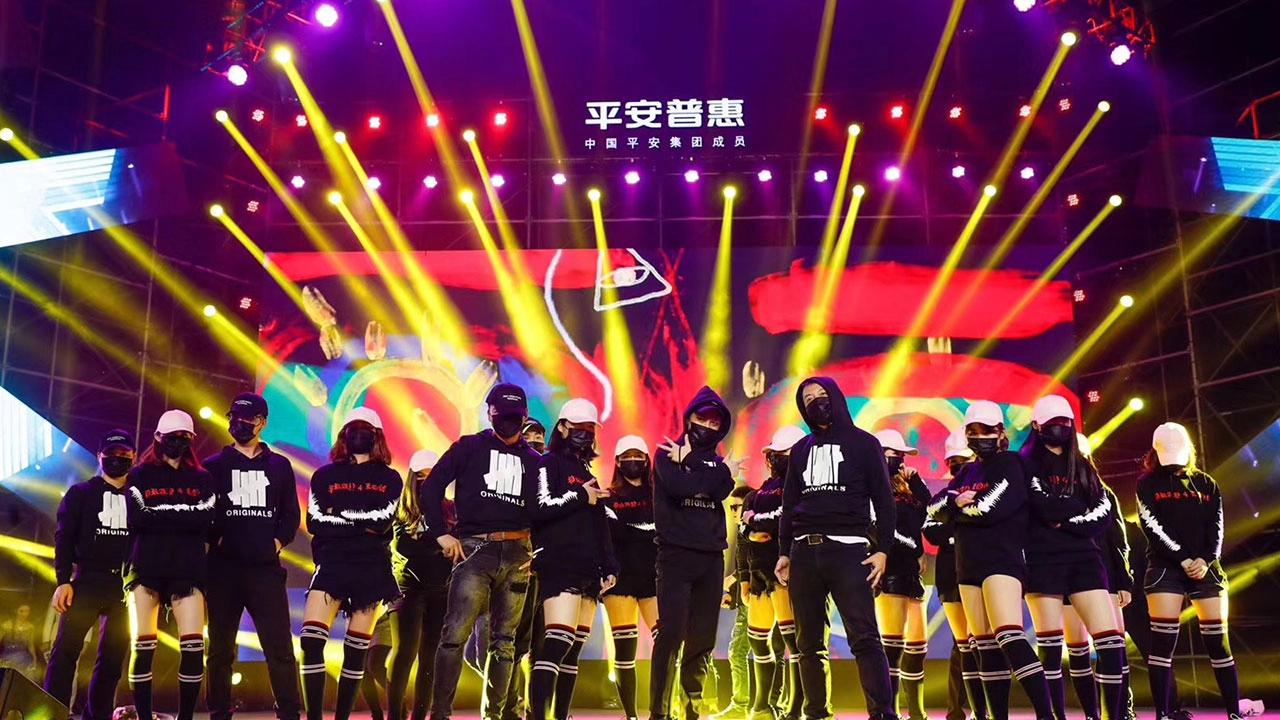
Stage lighting technology is rapidly evolving, and 2025 promises to bring exciting innovations that will transform live events, performances, and virtual experiences. This article explores emerging trends, breakthrough technologies, and what we can expect in the near future for the stage lighting industry.
Introduction
The world of stage lighting is in the midst of a technological revolution. As the demand for more immersive and impactful experiences grows in the entertainment and corporate sectors, lighting has taken on a critical role in shaping the atmosphere and engaging audiences. From LED advancements to AI-driven systems, lighting is becoming smarter, more energy-efficient, and adaptable to a wide range of environments.
2025 will see these trends intensify as innovative lighting solutions become standard for both large-scale performances and virtual events. This article explores the emerging trends and breakthrough technologies that are set to transform stage lighting in the coming years. Whether it's the continued growth of LED technology, AI-powered adaptive lighting, or the push for sustainability, the future of stage lighting looks brighter than ever.
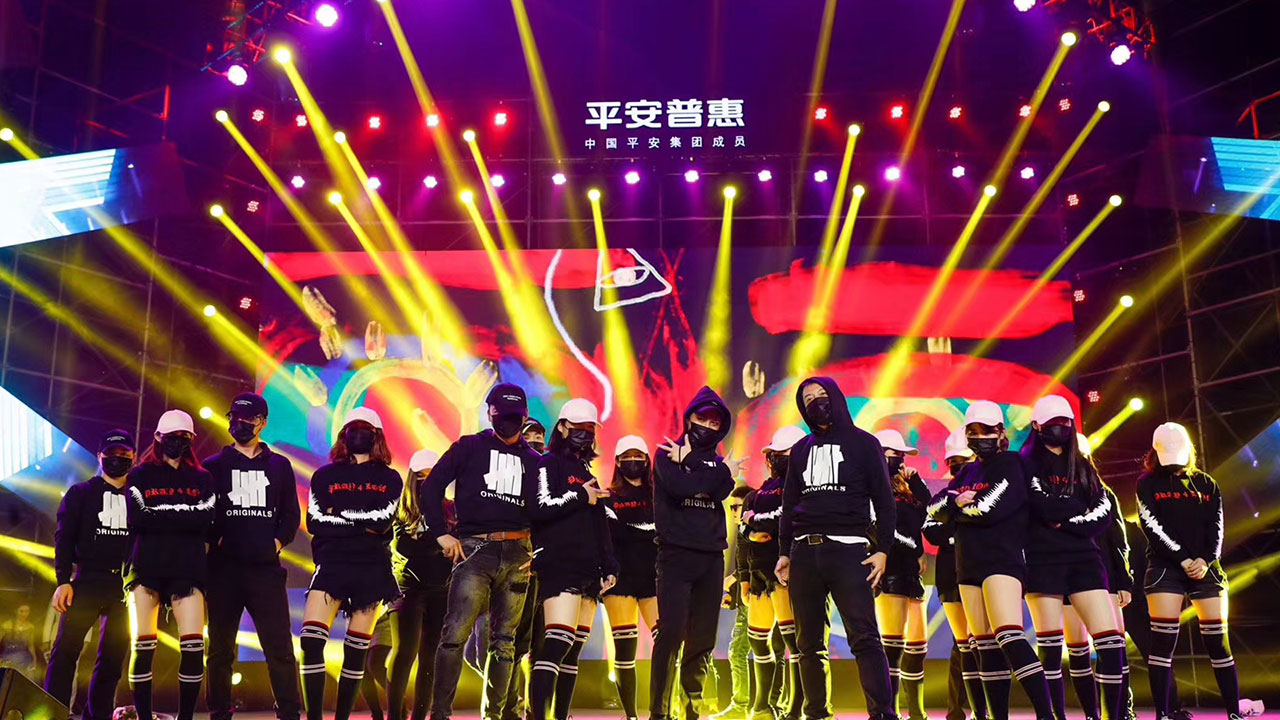
1. LED Lighting Advancements
Energy Efficiency and Cost Reduction:
LED technology continues to dominate the stage lighting industry due to its energy efficiency. As energy prices rise and sustainability concerns grow, LEDs offer lower operating costs and longer lifespans compared to traditional incandescent and halogen lights. This makes LEDs a cost-effective option for venues, production companies, and events looking to cut back on energy consumption without sacrificing performance.
Versatility and Performance:
LEDs are incredibly versatile, with the ability to produce a wide range of colors, intensities, and beam angles. This versatility makes them the go-to solution for various lighting needs. Whether it's creating soft, ambient lighting or striking, dramatic effects, LEDs can adapt to different requirements, making them suitable for everything from intimate theater productions to large-scale concerts and live events.
Color Accuracy and CRI:
The improvement of color rendering indexes (CRI) in LED lights is a game-changer. CRI is an important metric for stage and camera environments, as it indicates how well a light source reproduces colors in comparison to natural light. With the advent of high-CRI LEDs, lighting designers can now achieve true-to-life color reproduction, which is essential for productions where color accuracy is crucial, such as fashion shows, art performances, and film shoots.
2. AI-Driven Lighting Solutions
Smart Lighting Systems:
With advancements in AI and machine learning, stage lighting is becoming more intelligent and adaptive. Smart lighting systems can now adjust in real-time, reacting to changes in the environment, performance, or audience behavior. This allows for a dynamic and responsive lighting experience, rather than relying on pre-programmed settings.
Adaptive Lighting:
For live performances, AI-driven lighting systems can automatically adjust the intensity, color, and movement of lights to match the mood, music, or actions on stage. This creates a more fluid and engaging experience for audiences, as the lighting reacts organically to the performance. For instance, during a musical performance, the lighting can shift to match the tempo or intensity of the song, enhancing the emotional impact of the show.
Integration with Other Technologies:
AI lighting systems are increasingly being integrated with other technologies such as sound and video, creating a synchronized, immersive experience for audiences. For example, the lighting may change in response to a shift in music or a change in video projection, creating a seamless, holistic environment. This integration allows for more creative possibilities in staging performances and events, enabling lighting designers to push the boundaries of what’s possible.
3. Sustainable Lighting Practices
Energy-Efficient Design:
Beyond just LEDs, there is a growing push toward overall energy-efficient design in stage productions. Solar-powered lighting and low-energy alternatives are beginning to gain traction. With an increasing focus on reducing environmental impact, sustainable lighting practices are becoming an integral part of production planning. By utilizing these energy-efficient options, the industry can reduce its reliance on traditional energy sources, helping both the environment and the bottom line.
Carbon Footprint Reduction:
The stage lighting industry is exploring ways to reduce its carbon footprint, not only in terms of energy usage but also in production materials. This includes the use of recyclable materials for lighting fixtures and the consideration of the lifecycle of lighting equipment. Some companies are also looking at ways to offset their carbon emissions by investing in renewable energy projects or adopting carbon-neutral production practices.
Eco-Friendly Materials:
Another trend in sustainable lighting is the use of eco-friendly materials in the production of lighting fixtures. Companies are increasingly moving toward using recyclable metals, plastics, and energy-efficient batteries for portable lighting solutions. The emphasis on sustainability is not just limited to the energy used to power the lights but extends to the materials and processes used to create the fixtures themselves.
4. Immersive and Interactive Lighting
Virtual Reality and Augmented Reality Integration:
Stage lighting is no longer just about illuminating a physical space; the future involves creating entire immersive environments using augmented and virtual reality (AR/VR). Lighting will play a key role in these digital spaces, enhancing virtual events and experiences by interacting with the virtual environment. This could mean lighting effects that respond to a virtual performer’s movements or dynamically adjust based on the narrative of the virtual experience.
Audience Engagement:
With technologies like moving head lights, lasers, and interactive lighting setups, audiences are no longer passive observers—they become part of the experience. Audience-triggered lighting is gaining popularity at concerts and events, allowing attendees to engage with the performance in real-time. For example, certain lighting setups can be triggered by audience movements, creating a more personalized and interactive experience.
Interactive lighting is also becoming more common in theme parks, museums, and live events, where the lighting reacts to the actions of participants, creating an engaging, multisensory environment. The ability for lighting to be influenced by audience interaction is set to expand as technologies continue to evolve.
Conclusion
As we look ahead to 2025, stage lighting is evolving to meet the needs of a more connected, immersive, and sustainable world. From AI-driven lighting systems that adapt in real time to eco-friendly materials that reduce environmental impact, the lighting industry is at the forefront of innovation. The trends and breakthroughs discussed here are just the beginning, as the future promises even more advanced and integrated systems that will redefine the way we experience live events, performances, and virtual experiences. Lighting is no longer just a functional element; it’s becoming an integral part of storytelling, creativity, and audience engagement, helping to create experiences that leave lasting impressions.
The Future of Stage Lighting: Innovations and Trends to Watch in 2025
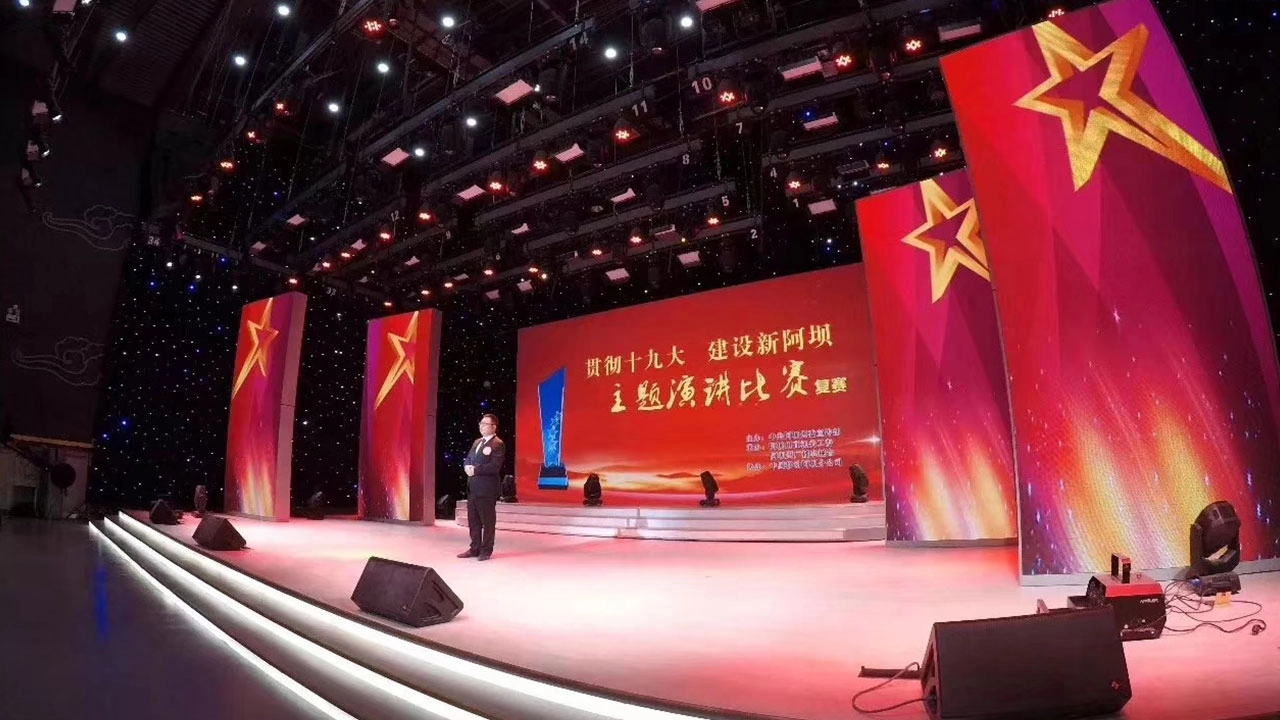
How Video conference Lighting is Transforming Corporate Communication
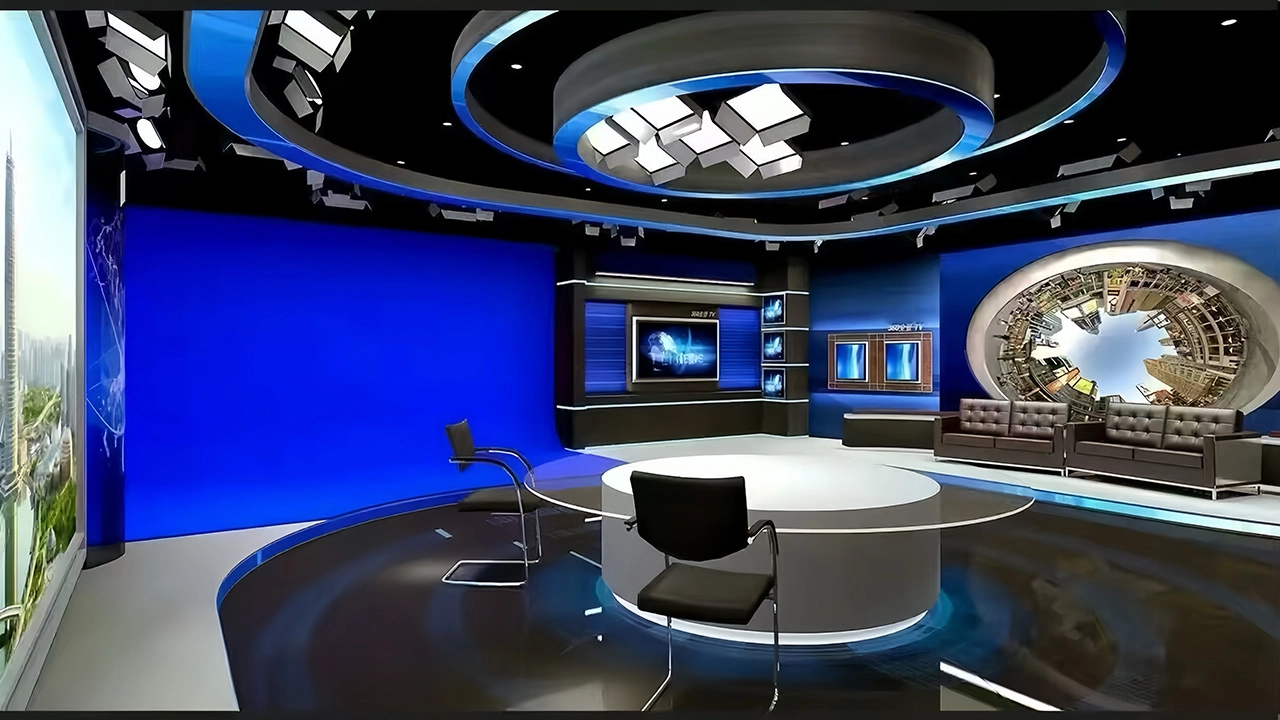
The Evolution of Video conference Lighting: How Proper Lighting is Revolutionizing Remote Work
FAQs
What services does LEEMC Stage Lighting provide?
In addition to high-quality lighting products, we also provide lighting layout design, system schematic renderings, free technical guidance, installation and commissioning, and staff training.
Where are LEEMC Stage Lighting 's products suitable for?
Our lighting solutions are widely used in various venues, including stages, conference rooms, performance venues, theaters, and more, and are particularly suitable for stage and video conferencing environments.
How is LEEMC Stage Lighting's product quality guaranteed?
Our products undergo rigorous testing and precision engineering to ensure that each product meets international standards for functionality, durability, and safety.
What products does LEEMC Stage Lighting offer?
We offer a wide range of lighting products, including LED flat soft lights, tri-color conference lights, LED spotlights, LED PAR lights, ceiling lights, and stage moving headlights.
How can I become an LEEMC Stage Lighting distributor?
We welcome distributors worldwide and offer exclusive distribution, technical support, and marketing resources to help you succeed in the market. Please contact us for more information about partnering.
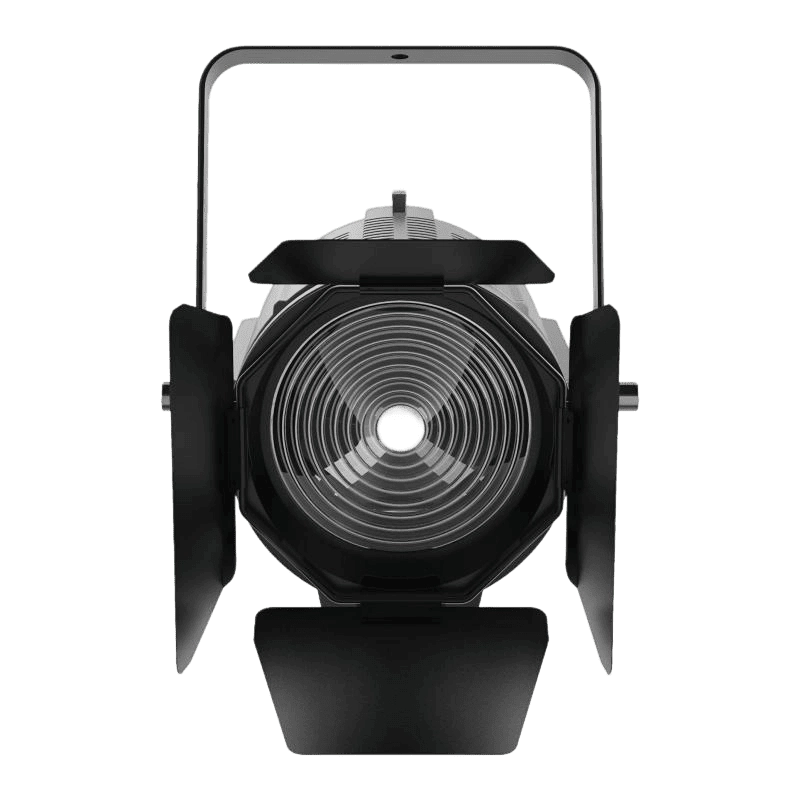
300 W RGBW LED Fresnel light
The LED Studio Fresnel Spotlight is a professional lighting device specifically designed for film and television studio stages, web series sets, and high-definition live streaming rooms. It features a high-power COB LED combined with a premium Fresnel lens optical system, delivering ultra-high color rendering (Ra ≥ 95, R9 ≥ 90, TLCI ≥ 96) and uniform and soft light output with smooth edge transitions. Free from harmful UV/IR radiation, it protects actors’ skin and props.
The spotlight offers 0–100% 16-bit linear flicker-free dimming and supports DMX512/RDM remote control. Coupled with four-leaf barndoors, it enables precise shaping of character outlines and scene layering.
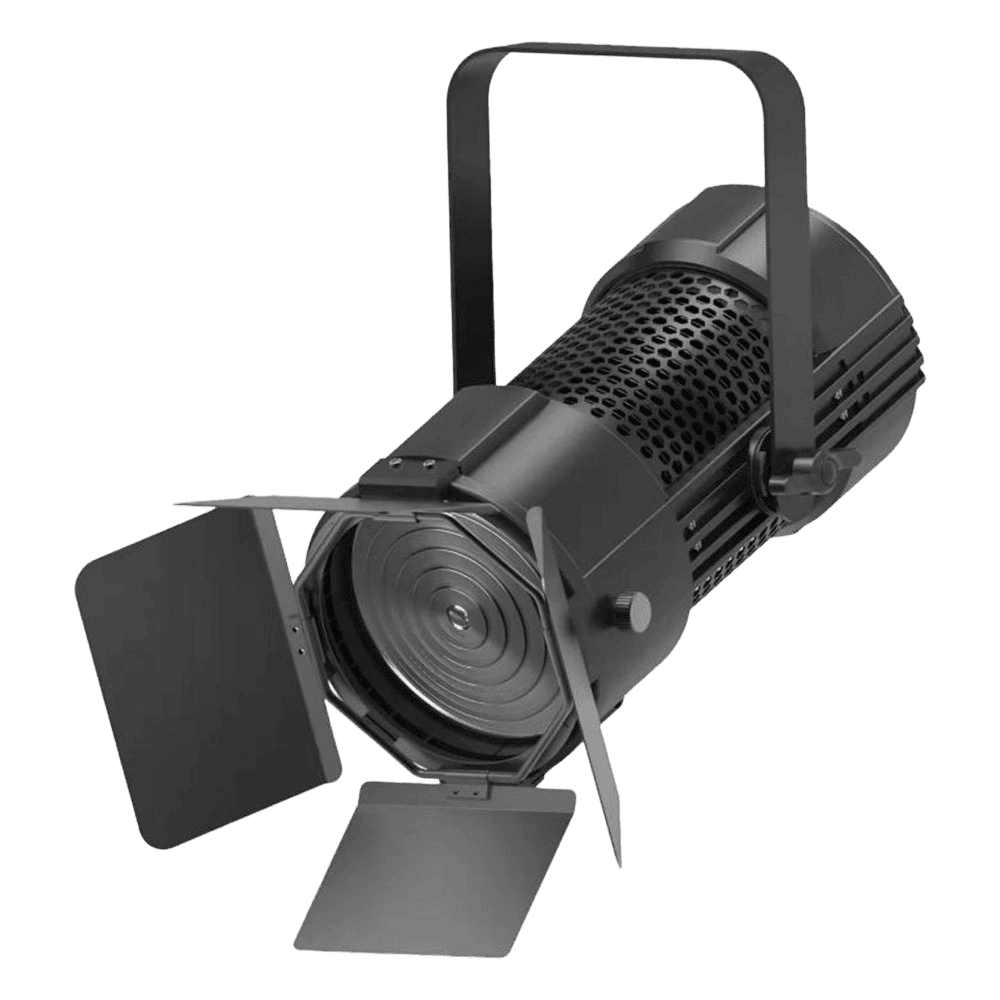
100W LED Fresnel Light
The LED Studio Fresnel Spotlight is a professional lighting device specifically designed for film and television studio stages, web series sets, and high-definition live streaming rooms. It features a high-power COB LED combined with a premium Fresnel lens optical system, delivering ultra-high color rendering (Ra ≥ 95, R9 ≥ 90, TLCI ≥ 96), uniform and soft light output with smooth edge transitions. Free from UV/IR harmful radiation, it protects actors’ skin and props. The spotlight offers 0–100% 16-bit linear flicker-free dimming and supports DMX512/RDM remote control. Coupled with four-leaf barn doors, it enables precise shaping of character outlines and scene layering.
Flexible color temperature options include 3200K (warm white tungsten), 5600K (cool white daylight), or continuously adjustable from 2700K to 6500K. With minimal color deviation (SDCM), it ensures true-to-life skin tone reproduction.
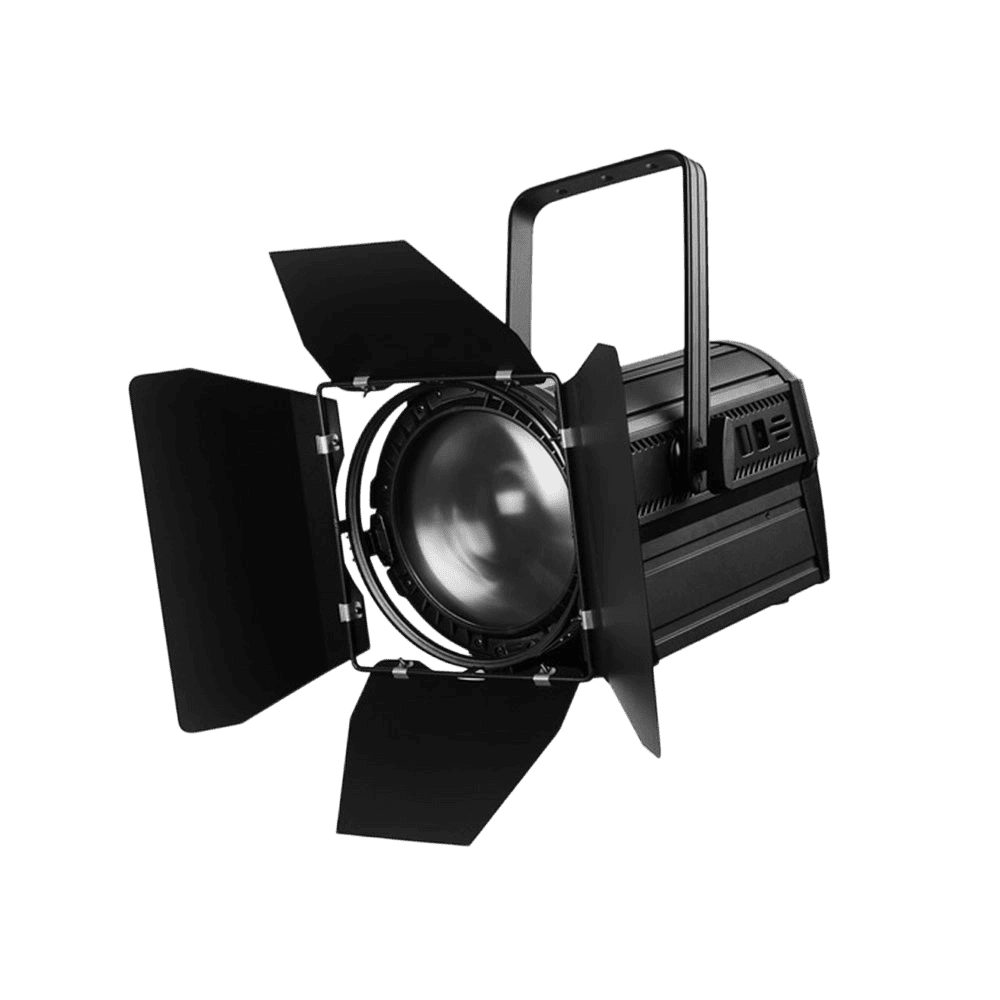
200 W RGBW LED Fresnel Light
The LED Studio Fresnel Spotlight is a professional lighting device specifically designed for film and television studio stages, web series sets, and high-definition live streaming rooms. It features a high-power COB LED combined with a premium Fresnel lens optical system, delivering ultra-high color rendering (Ra ≥ 95, R9 ≥ 90, TLCI ≥ 96) and uniform and soft light output with smooth edge transitions. Free from harmful UV/IR radiation, it protects actors’ skin and props.
The spotlight offers 0–100% 16-bit linear flicker-free dimming and supports DMX512/RDM remote control. Coupled with four-leaf barndoors, it enables precise shaping of character outlines and scene layering.
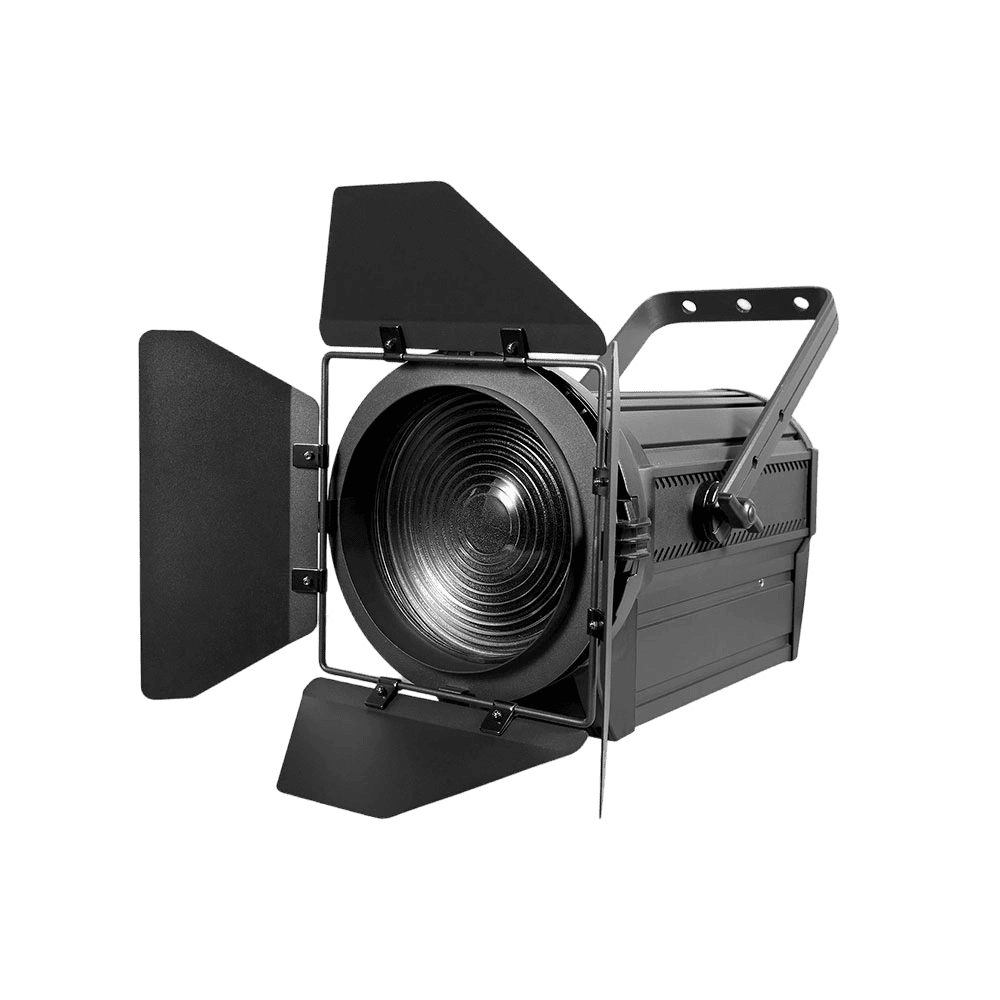
200W LED Fresnel Light
The LED Studio Fresnel Spotlight is a professional lighting device specifically designed for film and television studio stages, web series sets, and high-definition live streaming rooms. It features a high-power COB LED combined with a premium Fresnel lens optical system, delivering ultra-high color rendering (Ra ≥ 95, R9 ≥ 90, TLCI ≥ 96), uniform and soft light output with smooth edge transitions. Free from UV/IR harmful radiation, it protects actors’ skin and props.
The spotlight offers 0–100% 16-bit linear flicker-free dimming and supports DMX512/RDM remote control. Coupled with four-leaf barn doors, it enables precise shaping of character outlines and scene layering.
Discuss Your Lighting Project with Our Experts
If you have any comments or good suggestions, please leave us a message; later our professional staff will contact you as soon as possible.
Creating a superior lighting experience with pure light colors.
Guangzhou LEEMC Stage Lighting Technology Co., Ltd.
Email: info@lmstagelight.com
WhatsApp: +86 188 2626 7413
Address: Room 601, Unit 01, Building A8, Zone A, Konggang Meiwan Science and Technology Park, Huadu District, Guangzhou City, Guangdong Province, China.
Social media:
LM light
lmstage
LM STAGE